


RIJAG and IISIA Advance the “Kusunoki Project” to Foster Next-Generation Digital Talent in Japan
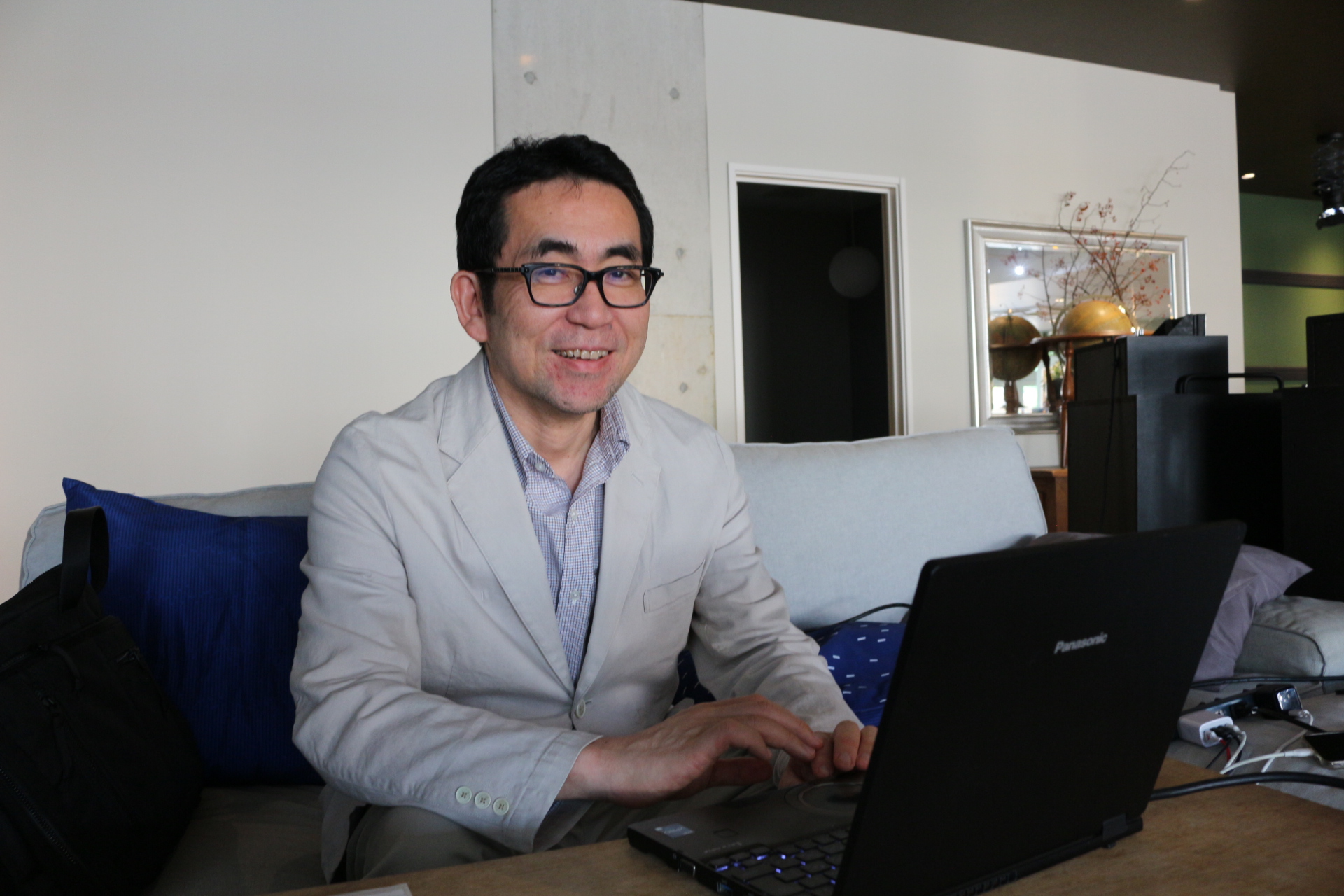
The Research Institute for Japan’s Globalization (RIJAG), in collaboration with the Institute for International Strategy and Information Analysis, Inc. (IISIA), is advancing the “Kusunoki Project,” a long-term educational and social initiative designed to cultivate next-generation digital talent in Japan.
The project was launched in response to the growing need for digitally capable individuals who can actively navigate the rapidly transforming technological, geopolitical, and economic environment of the AI era.
Today, Japan faces an urgent structural challenge:
while AI, large language models (LLMs), automation, and digital infrastructure are reshaping societies globally, the shortage of individuals capable of independently utilizing these technologies remains a major issue.
The Kusunoki Project seeks to address this challenge not merely through conventional lectures, but through practical, discussion-based workshops that encourage participants to become intellectually and technologically self-driven while utilizing LLMs and emerging digital tools.
The initiative currently consists of two interconnected programs.
Kusunoki Project – Phase I
The first phase focuses on foundational digital capability development, including:
Python programming,
RAG (Retrieval-Augmented Generation),
AI literacy,
and understanding why digital talent has become critically important for Japan’s future.
A distinctive feature of this phase is that many workshops are led in part by student interns affiliated with IISIA, creating an environment in which younger generations actively contribute to knowledge-sharing and collaborative learning.
The program is designed not only to teach technical skills, but also to help participants understand the broader societal transformation occurring in the age of AI and digital governance.
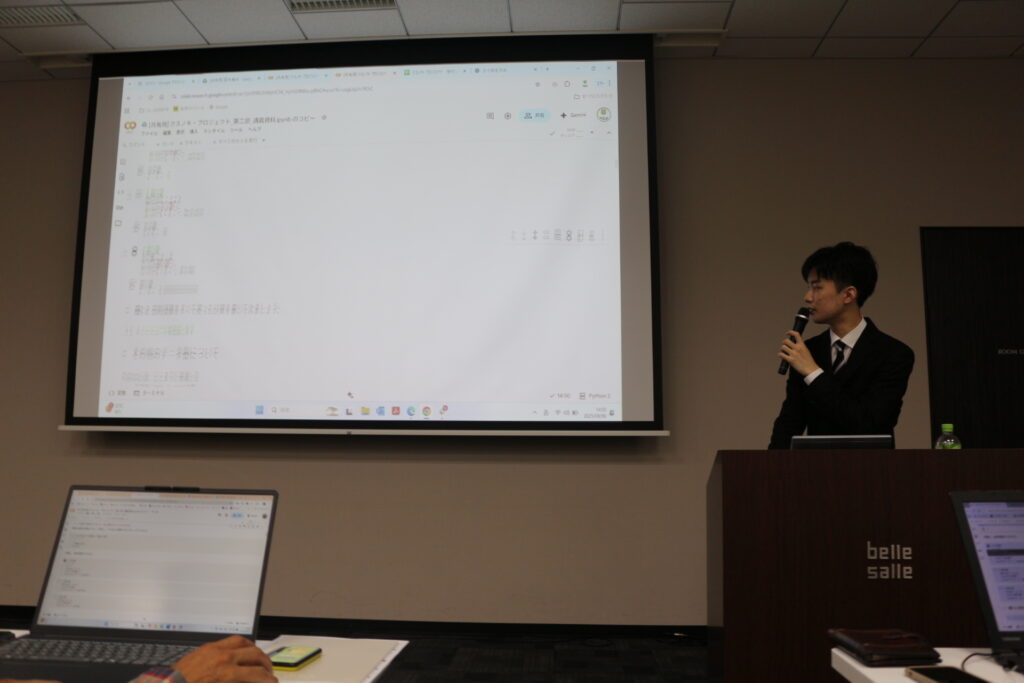
Kusunoki Project – Phase II
Building upon the foundations established in Phase I, the second phase focuses on practical implementation utilizing LLMs.
Participants engage in workshops aimed at constructing their own automated cryptocurrency trading systems while learning how AI-assisted systems, algorithmic decision-making, and decentralized digital architectures may shape future economic and governance environments.
The workshops encourage participants to think independently, experiment directly with AI tools, and understand how emerging technologies may transform finance, institutions, and society itself.
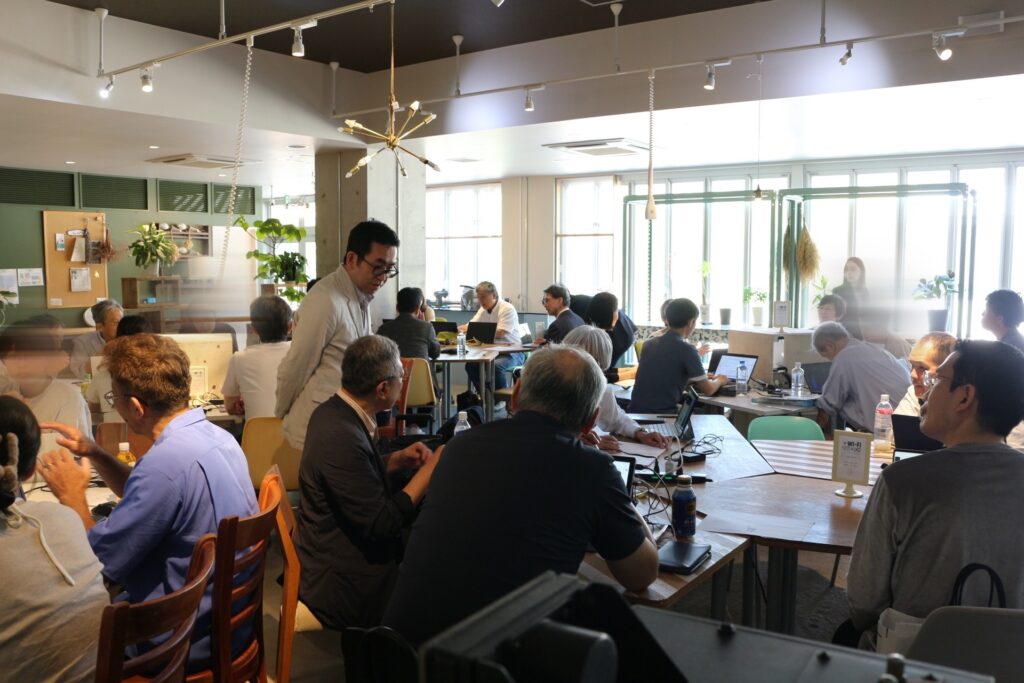
Intergenerational Dialogue and Community Learning
Both Phase I and Phase II have been conducted through workshops held in Tokyo, Osaka, and Hiroshima, with plans to expand to additional regions across Japan in the future.
A notable characteristic of the project is the large number of participants who attend together with spouses, children, and family members.
As a result, the workshops have naturally evolved into spaces for intergenerational dialogue and collaborative learning.
Through small-group discussions, participants exchange ideas from diverse perspectives, helping create an environment in which knowledge, experience, and future-oriented thinking can be shared across generations.
This approach strongly resonates with the broader理念 of “Leave No One Behind,” one of the central principles of the United Nations Sustainable Development Goals (SDGs).
Toward the Realization of “Pax Japonica”
RIJAG and IISIA believe that the realization of “Pax Japonica” — a peaceful and sustainable international order shaped through Japanese intellectual contributions — cannot be achieved without the transmission of knowledge and the cultivation of future generations.
The Kusunoki Project therefore represents far more than a technical workshop series.
It is an important social practice through which members, students, families, and professionals collectively envision the future of society in the AI era while building communities capable of sustaining intellectual continuity across generations.
RIJAG and IISIA will continue expanding these initiatives throughout Japan while promoting practical human development capable of responding to the structural transformations of the 21st century.